
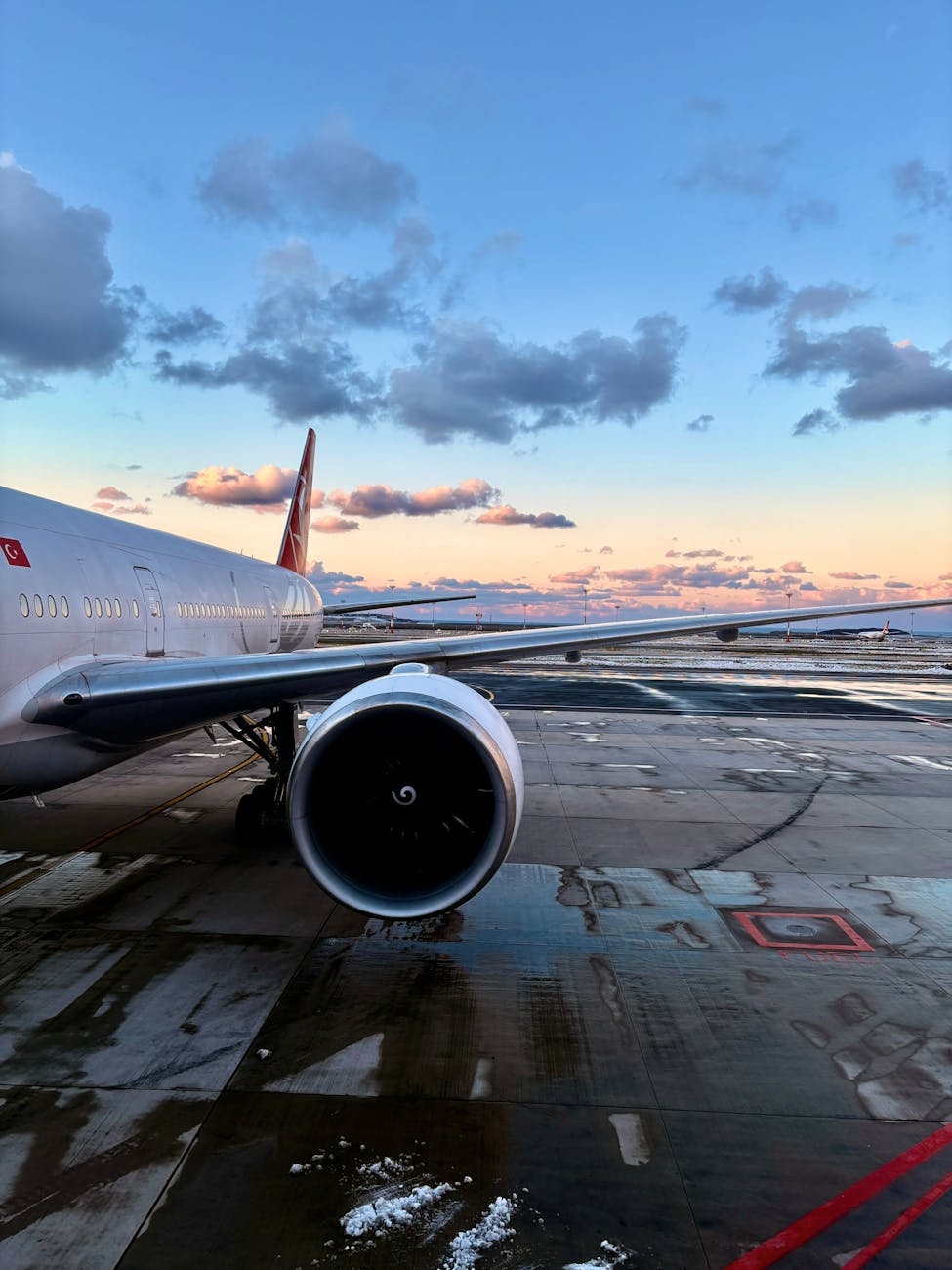
Europe flight cancellations are piling up, and the reason behind them is one most travelers never saw coming. A growing jet fuel shortage across the continent has airlines pulling routes, grounding aircraft, and warning that summer travel plans could get messy if oil supply doesn’t stabilize soon.
The head of the International Energy Agency told the Associated Press this week that Europe has “maybe six weeks or so” of jet fuel left. That’s not a typo. Six weeks. Ryanair told the Irish Times that if the shortage drags into May or June, it cannot rule out fuel supply risks at some European airports. For a continent that hosts tens of millions of American travelers every summer, this is the kind of headline that makes you stare at your confirmed itinerary and wonder what to do next.
Here’s what’s actually happening, which airlines are already cutting routes, and what you should do if you have a trip booked.
What’s causing the jet fuel shortage in Europe
The short version: the global oil crunch tied to conflict in the Middle East has squeezed supply, and Europe’s jet fuel reserves are running thinner than anywhere else. The Strait of Hormuz, the critical shipping corridor that’s been blocked for weeks, reportedly began reopening Friday. That’s good news. But reopening a shipping lane and refilling fuel farms at dozens of airports are two very different timelines.
Rob Handfield, a global supply chain expert at North Carolina State University, called the situation “stunning” and largely unprecedented. He doesn’t think airports will completely run out, but he does expect flight cancellations to keep climbing if conditions don’t improve quickly.
Meanwhile, fares are already up. If you’re booking a domestic U.S. flight three to five weeks out, you’re paying roughly 15% more than you would have this time last year. And those checked bag fees the big U.S. carriers just hiked are likely not rolling back once oil prices fall.
Which airlines are cutting routes
The cancellations started before the fuel actually ran short. Airlines are trimming unprofitable long-haul flying as fuel costs squeeze margins, and a few moves have already been announced.
The largest U.S. carriers have stayed quiet on what European fuel shortages might mean for transatlantic service in the coming months. That silence won’t last forever. If cancellations spread, expect Delta, United, and American to start issuing schedule changes, and possibly travel waivers, in the weeks ahead.
Europe Flight Cancellations: What To Do
This is where knowing the rules matters. Most travelers don’t realize how much protection they actually have, and a few of those protections only kick in if you book the right way.
Know your refund rights
U.S. Department of Transportation refund rules apply if your flight from the U.S. to Europe is canceled. They also kick in if your flight is delayed or re-timed by six hours or more. If you’d rather not travel under the new schedule, you’re owed a cash refund, not just a voucher or rebooking.
If you’re flying on a European carrier or departing from a European airport, EU261 compensation rules may apply on top of DOT refund rights, and the payouts can be meaningful depending on flight distance and delay length.
Build contingency plans into your itinerary
If you’re planning to hop between European cities this summer, assume schedule disruptions and plan accordingly. Airlines are more likely to trim short intra-Europe flights before cutting long-haul departures on big widebodies, since the per-seat economics on the big jets are better. Translation: your transatlantic flight is probably safe-ish. Your intra-Europe connections may be a different story.
A few practical moves:
Rail is your friend. Intra-Europe train networks can get you between major cities in a few hours and almost never cancel due to fuel issues.
Don’t cut connections close. If you’re catching a cruise, connecting onto another flight, or have any kind of hard deadline on the other end, build in a full buffer day. A missed cruise embarkation is not a problem a travel insurance claim can un-do.
Book flexible hotels. Refundable rates cost a little more upfront but save you real money when plans shift. This is the summer to pay the flex premium.
Book with a credit card that includes travel insurance
This is the single most important move you can make right now.
If you book your Europe trip with a credit card that includes trip cancellation, trip delay, and trip interruption coverage, you get a layer of protection that sits on top of whatever the airline offers. That coverage is usually triggered by covered reasons, which vary by card, but trip delay benefits often kick in for delays as short as six hours regardless of cause.
A few things to know:
Coverage only applies if you paid for the trip with that card. Booking on a debit card or a card without travel protections leaves you on the hook for the gap between what the airline refunds and what your trip actually cost.
Read your benefits guide. The exact covered reasons, delay thresholds, and reimbursement caps vary significantly from card to card. The Chase Sapphire Preferred, Chase Sapphire Reserve, Capital One Venture X, and Amex Platinum variants all offer meaningful travel protections, but the details differ.
Will the jet fuel shortage actually ground flights this summer?
Honestly, nobody knows. The optimistic case: the Strait of Hormuz reopens, tankers start moving, refineries catch up, and Europe muddles through the summer with higher fares but minimal actual cancellations beyond what we’ve already seen. The pessimistic case: the shortage deepens, airport fuel farms hit critical levels, and airlines start cutting schedules in earnest through June and July.
Most likely, we land somewhere in the middle. Expect more route cuts, expect higher fares, and expect airlines to prioritize their most profitable long-haul flying over marginal routes. If you’re flying Newark to London on a 777, you’re probably fine. If you’re flying a small regional carrier on a niche intra-Europe route, stay alert for schedule changes.
FAQ
Which European airports are most at risk of running out of jet fuel?
Specific airports haven’t been publicly named. Ryanair’s warning suggests smaller and secondary airports are more likely to face supply issues first, since major hubs typically have larger reserves and priority supply contracts.
Will my transatlantic flight to Europe get canceled?
Long-haul transatlantic flights on large widebody aircraft are the most profitable routes airlines operate, so they’re the last ones carriers will cut. Intra-Europe connecting flights are more vulnerable than your main transatlantic leg.
Does travel insurance cover flight cancellations from a fuel shortage?
Most standard travel insurance policies do not specifically cover cancellations due to fuel shortages or route suspensions. A “cancel for any reason” upgrade on a standalone policy is the most reliable way to get coverage for this specific scenario.
What refund am I entitled to if my U.S.-to-Europe flight is canceled?
Under DOT rules, you’re entitled to a cash refund if your flight is canceled or delayed by six hours or more and you choose not to travel. This applies regardless of the cancellation reason.
Should I cancel my summer Europe trip?
Probably not yet. The situation is evolving quickly, and most travelers will still complete their trips without major issues. The smart move is to build in backup plans, book with a card that offers travel protections, and keep an eye on airline communications in the weeks before departure.


Leave a Reply