
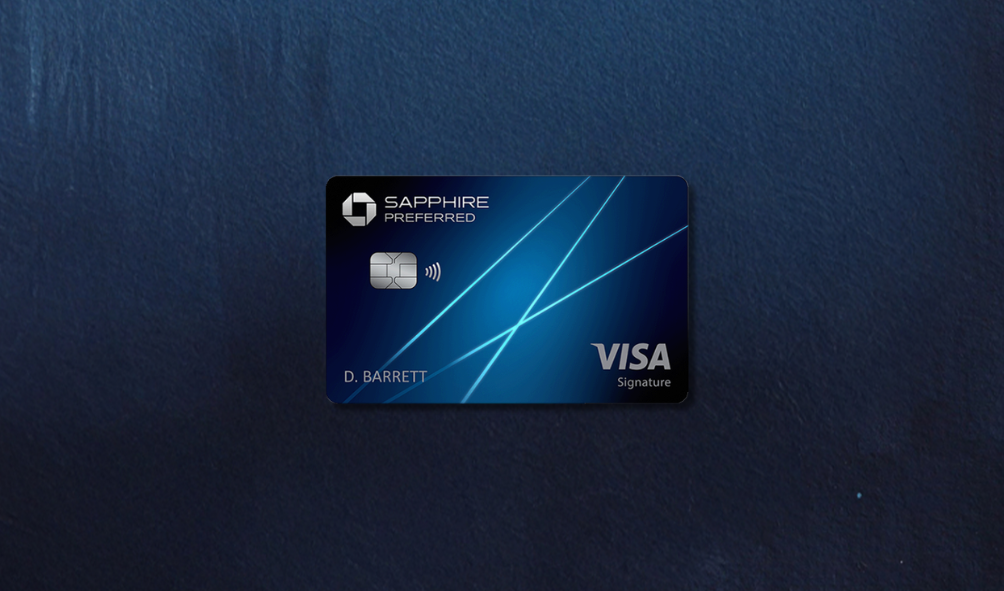
The Chase Sapphire Preferred® Card benefits package just got it’s biggest overhaul in years, and almost all of it is good news. The card currently has a 75,000 points welcome offer after spending $5,000 in 3 months.
At $95 a year, this card delivers transfer partner access, primary rental car coverage, and a welcome bonus that alone covers the annual fee for years. But “good value on paper” and “worth it for you” are different questions, and the answer depends on how you actually spend.
I’ve carried the Sapphire Preferred since my first serious travel rewards year, and it remains the card I recommend most often to anyone asking where to start. Below is the honest breakdown: what it earns you, what it actually costs, and the specific scenarios where it’s worth keeping versus where you’d do better with something else.
Chase Sapphire Preferred Changes in 2026
Here is the full rundown of what changed.
New benefits:
- 3x points on gas and EV charging
- 3x points on vacation homes at top brands including Airbnb, Vrbo, and more
- $120 Global Entry, TSA PreCheck, or NEXUS credit every four years
- Complimentary Apple TV subscription for one year when activated by December 31, 2026. Terms apply.
Upgraded benefits:
- $100 Chase Travel hotel credit every account anniversary, doubled from $50
- Emergency Evacuation and Transportation coverage added, making this the most comprehensive suite of built-in travel protections in its class
Going away:
- The 10% anniversary bonus is discontinued, effective immediately for anyone who applies on or after June 15, 2026. If you applied before that date, eligible purchases made through October 1, 2026 still earn the bonus, which will be awarded by January 31, 2027.
- The Hyatt transfer ratio, which has been 1:1, will now be 4:3 on some cards, including the Sapphire Preferred.
The short version: the $100 hotel credit alone now outpaces the $95 annual fee, and the new 3x categories cover spending the Sapphire lineup never bonused before. Losing the anniversary bonus stings if you had it, but for anyone applying today this is simply a better card than it was last month.
Chase Sapphire Preferred Benefits at a Glance
Chase Sapphire Preferred At A Glance
Full benefits snapshot for the $95 travel rewards card, updated for the June 2026 refresh
| The Basics | |
| Annual Fee | $95 |
| Welcome Bonus | 75,000 points after $5,000 spend in 3 months |
| Earning Categories | |
| Chase Travel Purchases | 5x points (flights, hotels, rental cars, cruises, activities & tours) |
| Gas & EV ChargingNew | 3x points |
| Vacation HomesNew | 3x points (Airbnb, Vrbo & more) |
| Dining Worldwide | 3x points (incl. takeout & eligible delivery) |
| Online Groceries | 3x points (excl. Walmart, Target, wholesale) |
| Top Streaming Services | 3x points |
| Other Travel Worldwide | 2x points |
| Lyft Rides | 5x points through Sep 30, 2027 |
| Peloton (over $150) | 5x total points through Dec 31, 2027 |
| All Other Purchases | 1x point |
| Credits & Perks | |
| Hotel CreditDoubled | $100/year via Chase Travel |
| Global Entry / TSA PreCheck / NEXUSNew | $120 credit every 4 years |
| Apple TVNew | Free for 1 year (activate by Dec 31, 2026) |
| DashPass Membership | Complimentary ($120/year value) + $10/mo DoorDash promo |
| Points Boost | Extra value on top hotels & select flights via Chase Travel |
| Anniversary BonusEnding | Discontinued for applications on/after June 15, 2026 |
| Points & Protection | |
| Transfer Partners | 14 airlines & hotels at 1:1 |
| Rental Car Coverage | Primary (up to cash value) |
| Emergency Evacuation & TransportationNew | Included |
| Foreign Transaction Fees | None |
| Points Expiration | Never (while account open) |
Chase Sapphire Preferred Welcome Bonus & Earning Structure
The current welcome offer is 75,000 bonus points after you spend $5,000 on purchases in the first three months from account opening, worth at least $1,000 in on Chase Travel. Transfer to the right partner and that same 75,000 points can book round-trip business class to Europe or a week at a Hyatt property.
Ongoing earning categories:
- 5x points on all Chase Travel purchases, including flights, hotels, rental cars, cruises, activities, and tours
- 3x points on gas and EV charging
- 3x points on vacation homes at top brands including Airbnb, Vrbo, and more
- 3x points on dining worldwide, including takeout and eligible delivery services
- 3x points on online grocery purchases (excluding Walmart, Target, and wholesale clubs)
- 3x points on top streaming services
- 2x points on all travel worldwide
- 5x points on Lyft rides through September 30, 2027
- 5x total points on eligible Peloton equipment and accessory purchases over $150 through December 31, 2027
- 1x points on all other purchases
The earning structure is now even stronger for families and everyday travelers. Vacation home bookings on Airbnb and Vrbo jumped from 2x to 3x, gas and EV charging earn 3x for the first time, and everything else travel-related still earns 2x worldwide. The Reserve only earns 1x on all of these categories, which means the Preferred quietly out-earns its $795 sibling everywhere except flights and hotels.
Chase Sapphire Preferred Travel Benefits & Coverage
This is where the Chase Sapphire Preferred® benefits outpunch its weight class. The travel protections are genuinely useful, and they’re built in the moment you pay for travel with the card (terms apply to all insurance benefits).
Trip cancellation and interruption insurance reimburses up to $10,000 per person and $20,000 per trip for prepaid, non-refundable expenses if your trip is canceled or cut short by a covered reason like illness or severe weather.
Primary rental car coverage is the standout. Most credit card rental coverage is secondary, meaning it kicks in after your personal auto insurance. Chase Sapphire Preferred offers primary coverage for theft and collision damage up to $60,000, so you can skip the rental counter’s collision damage waiver entirely. This alone has saved me hundreds on international rentals where the daily CDW cost more than the car.
Chase also upgraded the protection suite with Emergency Evacuation and Transportation coverage, making this the most comprehensive set of built-in travel protections in its class. That is coverage you hope to never use, but it is the kind of benefit that normally requires a standalone travel insurance policy.
Other built in protections:
- Emergency Evacuation and Transportation coverage
- Baggage delay insurance (up to $100/day for 5 days)
- Lost luggage reimbursement (up to $3,000 per passenger)
- Trip delay reimbursement (up to $500 per ticket after a 12-hour delay or overnight stay)
- No foreign transaction fees
Travel Protection Coverage
Built-in protections when you pay for travel with your card
| Protection | Max Coverage | Details |
|---|---|---|
| Trip Cancellation / Interruption | $10,000 per person / $20,000 per trip | Covers pre-paid, non-refundable expenses |
| Trip Delay Reimbursement | $500 per ticket | After 12-hour delay or overnight stay |
| Baggage Delay | $100/day for 5 days | After 6-hour delay |
| Lost Luggage | $3,000 per passenger | Reimbursement for lost items |
| Rental Car Collision | Up to cash value of vehicle | Primary coverage |
| Purchase Protection | $500 per claim / $50,000 per account | 120 days from purchase |
| Extended Warranty | +1 year added | On US warranties of 3 years or less |
| Emergency Evacuation & Transportation | TBD | TBD |
Global Entry, TSA Pre-Check, and NEXUS
The card also now includes a $120 Global Entry, TSA PreCheck, or NEXUS credit every four years. That was previously premium card territory, and at $95 a year the Preferred is now one of the cheapest ways to keep your trusted traveler status funded.
The $100 Annual Hotel Credit
Each account anniversary year, you get up to $100 in statement credits for hotel stays booked through Chase Travel, doubled from the previous $50. Do the math on that for a second. The credit alone now exceeds the $95 annual fee. Use it once a year on a stay you were already planning and the card effectively pays you to carry it before counting a single point.
The practical approach stays the same: book a hotel you would have booked anyway. Chase Travel prices are generally competitive for mainstream chain hotels, and you earn 5x points on the remaining balance after the credit applies.
Purchase Protection and Extended Warranty
Two benefits that most people forget about until they need them:
Purchase protection covers new purchases for 120 days against damage or theft, up to $500 per claim and $50,000 per account.
Extended warranty protection adds up to one additional year on eligible US manufacturer warranties of three years or less. Useful for electronics, appliances, and anything else where the factory warranty always feels too short.
Current Promotional Benefits (Worth $200+ Annually)
Chase markets these as “$200+ in additional partnership value,” and they’re the perks most people forget to actually use. Note the expiration dates — these are current promotional benefits, not permanent card features.
Complimentary Apple TV subscription for one year when activated by December 31, 2026. Terms apply. If you already pay for Apple TV, that is roughly $120 in value for clicking a button.
Complimentary DashPass for at least 12 months when activated by December 31, 2027. DashPass normally runs $9.99/month, so this is a $120 value on its own. You also get a $10 monthly promo on eligible non-restaurant DoorDash orders through December 31, 2027 — groceries, convenience items, retail. That’s another $120/year if you use it consistently.
5x on Lyft rides through September 30, 2027.
5x on Peloton equipment and accessory purchases over $150 through December 31, 2027, capped at 25,000 bonus points per year.
Points Boost also gives cardmembers more value when redeeming Ultimate Rewards points on thousands of top-booked hotels and on flights with select airlines through Chase Travel.
Chase Sapphire Preferred Transfer Partners
This is the real reason serious points people carry Chase Sapphire cards. Your Chase Ultimate Rewards points transfer to 14 airline and hotel partners, with no blackout dates and no travel restrictions.
To learn more about how transfer partners work, read this article.
Airline transfer partners:
- Aer Lingus AerClub
- Air Canada Aeroplan
- Air France KLM Flying Blue
- British Airways Club
- Iberia Plus
- JetBlue TrueBlue
- Singapore Airlines KrisFlyer
- Southwest Rapid Rewards
- United MileagePlus
- Virgin Atlantic Flying Club
Hotel transfer partners:
- IHG One Rewards
- Marriott Bonvoy
- World of Hyatt (4:3; for cardmembers who applied before June 15 this change will take effect on October 1, 2026)
- Wyndham Rewards
World of Hyatt is the secret weapon. Hyatt points transfer only from Chase and Bilt, which makes Chase Sapphire Preferred one of the only realistic paths to stockpiling them for redemptions at properties like Park Hyatt Tokyo or Alila Ventana Big Sur. Air Canada Aeroplan, Virgin Atlantic, and Flying Blue round out the strongest airline options depending on where you want to go.
What Chase Ultimate Rewards Points Are Actually Worth
Point valuation is squishy and depends on how you redeem. Here’s the honest range:
1 cent per point — cash back or statement credit. Worst redemption, avoid it.
1 to 1.75 cents per point — Chase Travel portal with Points Boost on eligible bookings. Fine for straightforward redemptions when you don’t want to mess with transfers.
2 to 5+ cents per point — transfer partners, when you target sweet spots. A business class ticket to Europe booked through Air Canada Aeroplan for 60,000 miles (cash price around $3,000) pulls 5 cents per point. A Park Hyatt Tokyo night for 45,000 points (cash rate around $1,200) pulls north of 3 cents.
Points also never expire as long as your account is open, which takes the pressure off timing your redemptions.
Is the $95 Annual Fee Worth It?
Is the $95 Annual Fee Worth It?
Conservative annual value without the welcome bonus
| Annual Value Source | Estimated Value |
|---|---|
| $100 Chase Travel hotel credit | $100 |
| DashPass membership ($9.99/mo × 12) | $120 |
| $10 monthly DoorDash non-restaurant promo | $120 |
| Apple TV+ subscription credit ($12.99/mo × 12) | $156 |
| Global Entry / TSA PreCheck / NEXUS credit ($120 every 4 years) | $301 |
| Primary rental car coverage (1 rental/year) | $120+ |
| Total Annual Value | ~$645 |
| Net Value After $95 Annual Fee | +$550 |
1 $120 credit amortized over four years. Cardmembers who applied before June 15, 2026 also earn the 10% anniversary bonus on eligible purchases through October 1, 2026.
1 $120 credit amortized over four years. Cardmembers who applied before June 15, 2026 also earn the 10% anniversary bonus on eligible purchases through October 1, 2026.
Here’s the breakeven math on a conservative year:
Even without the welcome bonus, a modest user who books one or two trips a year, orders DoorDash occasionally, and uses the hotel credit can clear the annual fee with room to spare. The card doesn’t require you to become a points hobbyist to earn its keep — it just requires that you actually use it.
Where it stops being worth it: if you rarely travel, don’t eat out or order delivery, and prefer the simplicity of flat-rate cash back. In that case, a no-annual-fee card is a better fit.
Chase Sapphire Preferred vs Sapphire Reserve
The most common question people ask when evaluating Chase Sapphire Preferred® benefits is whether to go up to the Reserve instead. Short answer: only if you travel enough to use the premium perks.
Note: As of 2026, Chase now allows you to hold both Sapphire cards, so you can stack them to maximize earnings and benefits.
Sapphire Preferred vs Sapphire Reserve: Which Card Wins?
Side-by-side comparison of Chase’s two personal Sapphire cards
| Feature | Chase Sapphire Preferred Learn more | Chase Sapphire Reserve Learn more |
|---|---|---|
| Annual Fee | $95 | $795 |
| Welcome Bonus | 75,000 points | 100,000 points |
| Chase Travel | 5x | 8x |
| Dining | 3x | 3x |
| Other Travel | 2x | 1x |
| Online Groceries | 3x | 1x |
| Streaming | 3x | 1x |
| Travel Credit | $100 hotel | $300 annual |
| Lounge Access | No | Priority Pass + Sapphire Lounges |
| Transfer Partners | 13 at 1:1 | 14 at 1:1 |
| Hyatt TransfersEffective October 1, 2026 | 4:3 | 1:1 |
| Rental Car Coverage | Primary | Primary |
| Best For | Casual travelers, beginners | Frequent flyers, lounge lovers |
The Reserve’s $795 annual fee only makes sense if you’ll consistently use the lounge access, the $300 travel credit, and the higher earning rates on travel and dining. For most people, the Chase Sapphire Preferred at $95 delivers roughly 70% of the value at 12% of the cost.
Who Should Get the Chase Sapphire Preferred
Good fit:
- First-time points and miles cardholders
- Anyone who takes at least one or two trips per year
- People who want transfer partner access without a $795 annual fee
- Renters (primary rental car coverage is gold)
- DoorDash users
- Anyone planning to eventually add Chase Freedom cards to their wallet (the Sapphire unlocks transfer partner access for Freedom point balances)
Probably not a fit:
- People who never travel
- Anyone who only wants cash back
- People who already hold the Chase Sapphire Reserve and don’t want to manage multiple cards
How to Maximize Your Chase Sapphire Preferred Benefits
A few strategic moves to squeeze maximum value:
- Pool points from no-fee Chase cards. If you hold the Chase Freedom Unlimited or Chase Freedom Flex, their points can transfer into your Sapphire Preferred account and become transferable to partners.
- Wait for transfer bonuses. Chase runs periodic promotions (recent examples include 20% to Aeroplan and 70% to IHG). Transferring during a bonus is free extra value.
- Use the $100 hotel credit intentionally. Book a stay you were already planning. Don’t let it expire.
Learn more about the Chase Sapphire Preferred® here.
Chase Sapphire Preferred FAQ
Can Chase Sapphire Preferred get into airport lounges?
No. Airport lounge access is a Chase Sapphire Reserve benefit, not a Preferred benefit. If lounges are a priority, consider the Reserve or a Priority Pass membership through another card.
Can Chase Sapphire Preferred points be used internationally?
Yes. The card has no foreign transaction fees, runs on the Visa network for near-universal acceptance, and your points transfer to international loyalty programs like Singapore KrisFlyer, Virgin Atlantic, and Air France KLM Flying Blue.
Can Chase Sapphire Preferred be downgraded?
Yes. You can product change to a no-fee Chase Freedom card to avoid the annual fee while keeping your account history and points. Note that points held in a Freedom account lose transfer partner access unless you also hold a Sapphire or Ink Preferred card.
Does Chase Sapphire Preferred have primary rental car insurance?
Yes, primary coverage for theft and collision damage up to the vehicle’s cash value in the US and most countries abroad. Decline the rental company’s CDW to activate.
Is Chase Sapphire Preferred worth it for beginners?
Yes. It’s the most frequently recommended starter travel card in points and miles communities for exactly the reasons covered above — low annual fee, transfer partners, strong protections, and easy earning structure.
What’s the annual fee on Chase Sapphire Preferred?
$95, not waived the first year. The welcome bonus and $100 hotel credit typically cover it several times over in year one.
Best Offers

-

Chase Sapphire Preferred® Card
Welcome Offer 75,000 bonus points
- Transferable points
- $100 hotel credit
Annual fee $95 Learn More -

Atmos™ Rewards Ascent Visa Signature® Credit Card
Limited-time online offer – 50,000 bonus points plus a $99 Companion Fare
-

Capital One Venture Rewards Credit Card
Welcome Offer Earn 75,000 miles
- 2x on everything
- 15+ transfer partners
Annual fee $95 Learn More -

Chase Sapphire Reserve®
Welcome Offer 100,000 bonus points
- Lounge access
- $300 travel credit
Annual fee $795 Learn More
Welcome offers are subject to change. Valid as of September 18, 2026. Terms apply. See footer for advertiser disclosure.


Leave a Reply